

Discover effective skin tightening treatments, how they work, and which options deliver real results for firmer, youthful-looking skin.

By Puteri Syafeeqa | May 11th, 2026
Have you ever looked in the mirror and wondered why your skin does not feel as firm as it used to? Whether it is subtle sagging, fine lines, or a loss of elasticity, skin aging is something most people experience, but not everyone knows how to treat effectively.
The beauty industry is filled with promises, from miracle creams to quick-fix procedures. But which skin tightening treatments actually deliver visible, lasting results? Understanding the science behind these options can help you make smarter, safer choices.
Let’s break down what truly works — and what’s worth your time and investment.
Why Skin Loses Firmness Over Time
Skin laxity does not happen overnight. It’s the result of several biological and environmental factors working together.
As we age, our bodies produce less collagen and elastin, the2 proteins responsible for keeping skin firm and elastic. According to research published by the American Academy of Dermatology, collagen production decreases by about 1% per year after the age of 20.
Other contributing factors include:
· Sun exposure (UV damage breaks down collagen)
· Weight fluctuations
· Hormonal changes
· Lifestyle habits like smoking or poor diet
Over time, these factors lead to sagging, wrinkles, and a less defined facial contour.
The good news? Modern skin tightening treatments are designed to stimulate collagen production and restore firmness without invasive surgery.
Non-Surgical Skin Tightening: The Popular Choice
Non-invasive treatments have become increasingly popular and for good reason. They offer visible results with minimal downtime and lower risk compared to surgical procedures.
Here are some of the most effective options:
Radiofrequency (RF) Treatments
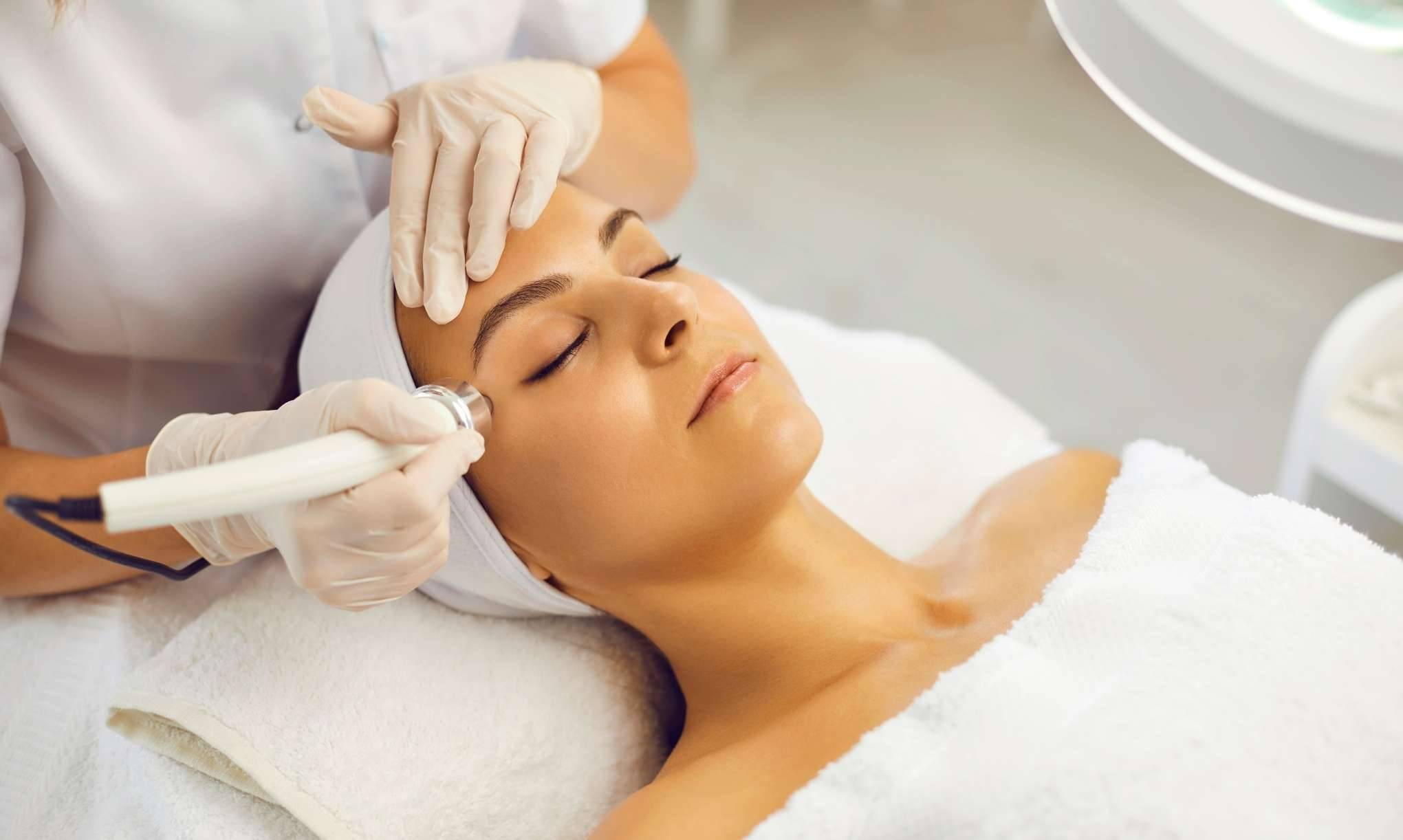
Radiofrequency uses controlled heat energy to stimulate collagen production deep within the skin.
· Gradually tightens and firms the skin
· Suitable for face and body
· Requires multiple sessions for optimal results
Studies in the Journal of Cosmetic Dermatology show that RF treatments can significantly improve skin laxity over time with consistent sessions.
Ultrasound-Based Treatments
Ultrasound technology targets deeper layers of the skin, including the foundational tissues.
· Lifts and tightens sagging areas
· Stimulates long-term collagen regeneration
· Often used for jawline and neck
This method is known for delivering more noticeable lifting effects compared to surface-level treatments.
Laser Skin Tightening
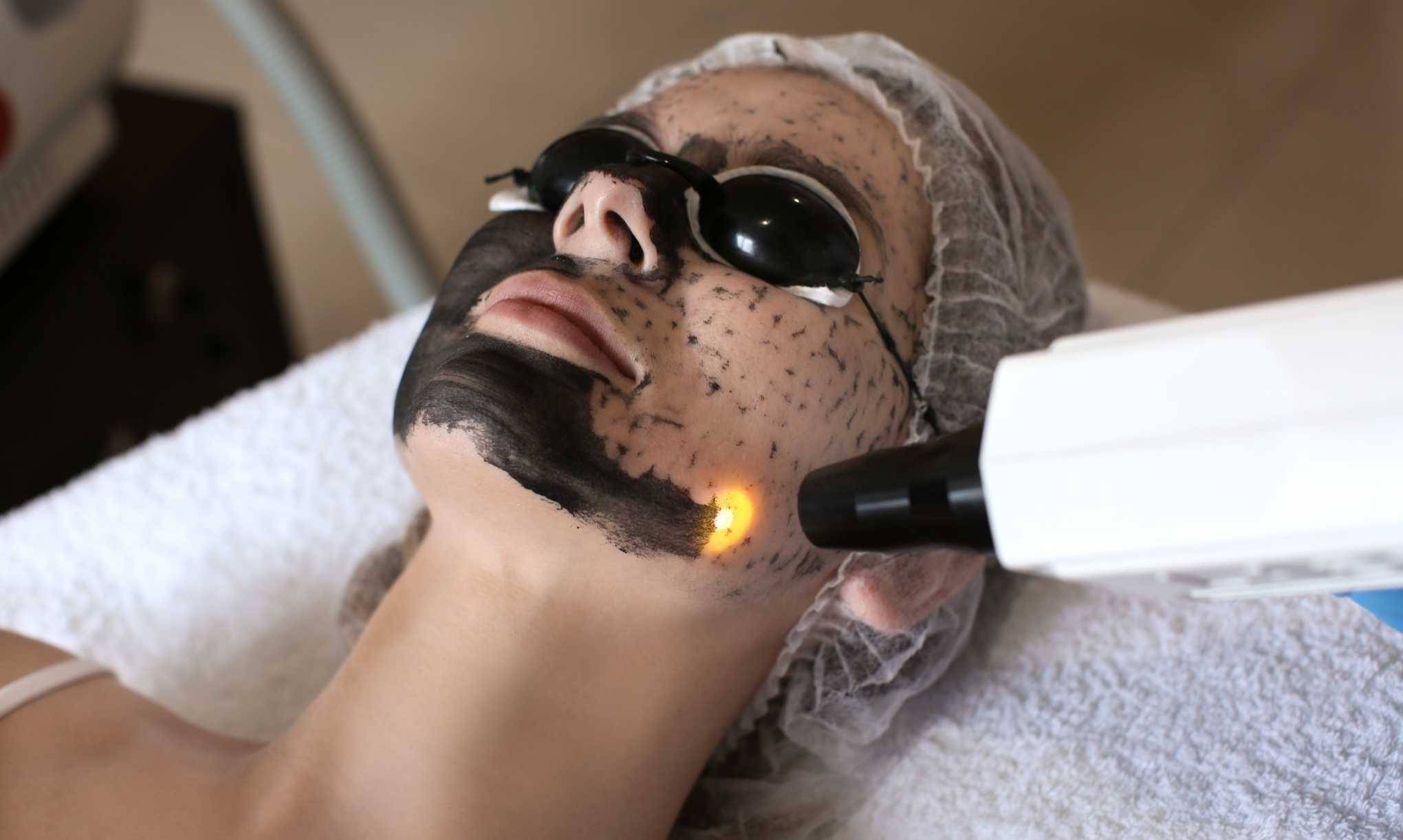
Laser treatments use focused light energy to heat the skin and boost collagen production.
· Improves skin texture and firmness
· Reduces fine lines and wrinkles
· May require some downtime depending on intensity
According to clinical findings published in Dermatologic Surgery, laser-based therapies are effective in improving mild to moderate skin laxity.
Injectable Solutions That Support Tightening
While injectables are often associated with volume or wrinkle reduction, some also contribute to skin tightening.
Collagen-Stimulating Injectables
These treatments work by encouraging the body to produce its own collagen over time.
· Gradual, natural-looking results
· Improves skin density and elasticity
· Effects can last up to two years
They are particularly useful for areas like cheeks, temples, and jawline where structural support is needed.
Skin Boosters
Skin boosters hydrate and improve skin quality from within.
· Enhance skin texture and elasticity
· Provide subtle tightening effect
· Ideal for early signs of aging
Though not as dramatic as other methods, they complement other treatments well.
Surgical Options: When More Dramatic Results Are Needed
For individuals with significant skin laxity, surgical procedures may offer the most noticeable results.
Facelift Surgery
A facelift physically lifts and tightens the skin while repositioning underlying tissues.
· Provides immediate and long-lasting results
· Best for advanced sagging
· Requires recovery time and higher cost
According to the American Society of Plastic Surgeons, facelift procedures remain one of the most effective solutions for severe skin laxity.
However, not everyone is ready for surgery, which is why many start with non-invasive treatments first.
How to Choose the Right Treatment for You
Not all skin tightening treatments work the same for everyone. The right choice depends on several factors:
· Age and skin condition
· Severity of skin laxity
· Budget and time availability
· Desired results (subtle vs. dramatic)
For mild to moderate concerns, non-surgical options like RF or ultrasound are often sufficient. For more advanced aging, a combination approach may be recommended.
Platforms like Trambellir make it easier to explore and compare skin tightening treatments across trusted clinics, helping you find options that suit your needs and expectations.
Do At-Home Products Actually Work?
The skincare market is full of creams and serums claiming to tighten skin, but their effectiveness is often limited.
Topical products can:
· Improve hydration
· Temporarily plump the skin
· Support overall skin health
However, they cannot penetrate deeply enough to significantly stimulate collagen production.
Ingredients like retinoids and peptides can help slow down aging, but they work best as part of a long-term skincare routine, not as standalone tightening solutions.
Combining Treatments for Better Results
One of the most effective strategies is combining multiple treatments to target different layers of the skin.
For example:
· RF + skin boosters for firmness and hydration
· Ultrasound + injectables for lifting and contouring
· Laser + skincare for texture and tone improvement
This layered approach often delivers more natural and noticeable results compared to relying on a single treatment.
Many aesthetic platforms, including Trambellir, offer curated treatment options that allow users to explore combination therapies tailored to their goals.
Realistic Expectations: What Results Can You Expect?

Skin tightening treatments can deliver impressive improvements, but it is important to stay realistic.
Most non-surgical treatments:
· Require multiple sessions
· Show gradual results over weeks or months
· Maintain results with follow-up sessions
They are best suited for enhancing your natural appearance rather than creating drastic changes.
Consistency, proper aftercare, and choosing qualified professionals all play a major role in achieving optimal outcomes.
FAQs About Skin Tightening Treatments
1. How long do skin tightening treatments last?
Results vary depending on the treatment type. Non-surgical treatments typically last 6 to 18 months, while surgical options can last several years.
2. Are skin tightening treatments painful?
Most non-invasive treatments involve minimal discomfort, often described as a warm or tingling sensation.
3. How many sessions are needed for visible results?
Many treatments require 3 to 6 sessions spaced weeks apart for optimal results, though some may show improvement after one session.
4. Is there any downtime after skin tightening treatments?
Non-surgical treatments usually have little to no downtime, while surgical procedures may require several weeks of recovery.
5. Can skin tightening treatments be combined with other procedures?
Yes, combining treatments is common and often recommended for better, more comprehensive results.
Skin tightening is no longer limited to surgical procedures. With advancements in technology, there are now multiple effective ways to restore firmness and achieve a more youthful appearance without going under the knife.
If you are considering your options, taking the time to understand each treatment can make all the difference in achieving results that truly work for you.


