

Learn why acne leaves scars, the different types of acne scars, and effective treatments that can help improve smoother, healthier-looking skin.
By Fara Farid | June 26th, 2026
Have you ever wondered why some pimples disappear without a trace while others leave marks that last for years? Acne may be temporary, but the scars it leaves behind can sometimes affect confidence long after breakouts have healed.
The good news is that acne scars are not inevitable, and many treatment options are available to improve their appearance. Understanding how acne scars form – and what can be done about them – is the first step toward achieving smoother, healthier-looking skin.
The Science Behind Acne Scars
Acne scars develop when inflammation damages the deeper layers of the skin. During an acne breakout, clogged pores become inflamed due to excess oil, bacteria, and dead skin cells. If the inflammation is severe enough, it can destroy collagen and surrounding skin tissue.
As the skin repairs itself, it produces new collagen. However, the healing process is not always perfect. Too little collagen creates depressed scars, while too much collagen results in raised scars.
Not every pimple causes permanent scarring. The risk increases when:
· Acne is deep and inflamed.
· Pimples are squeezed or picked.
· Treatment is delayed.
· There is a family history of acne scarring.
· Severe acne persists for a long time.
Early acne management can significantly reduce the likelihood of permanent scarring.
Different Types of Acne Scars
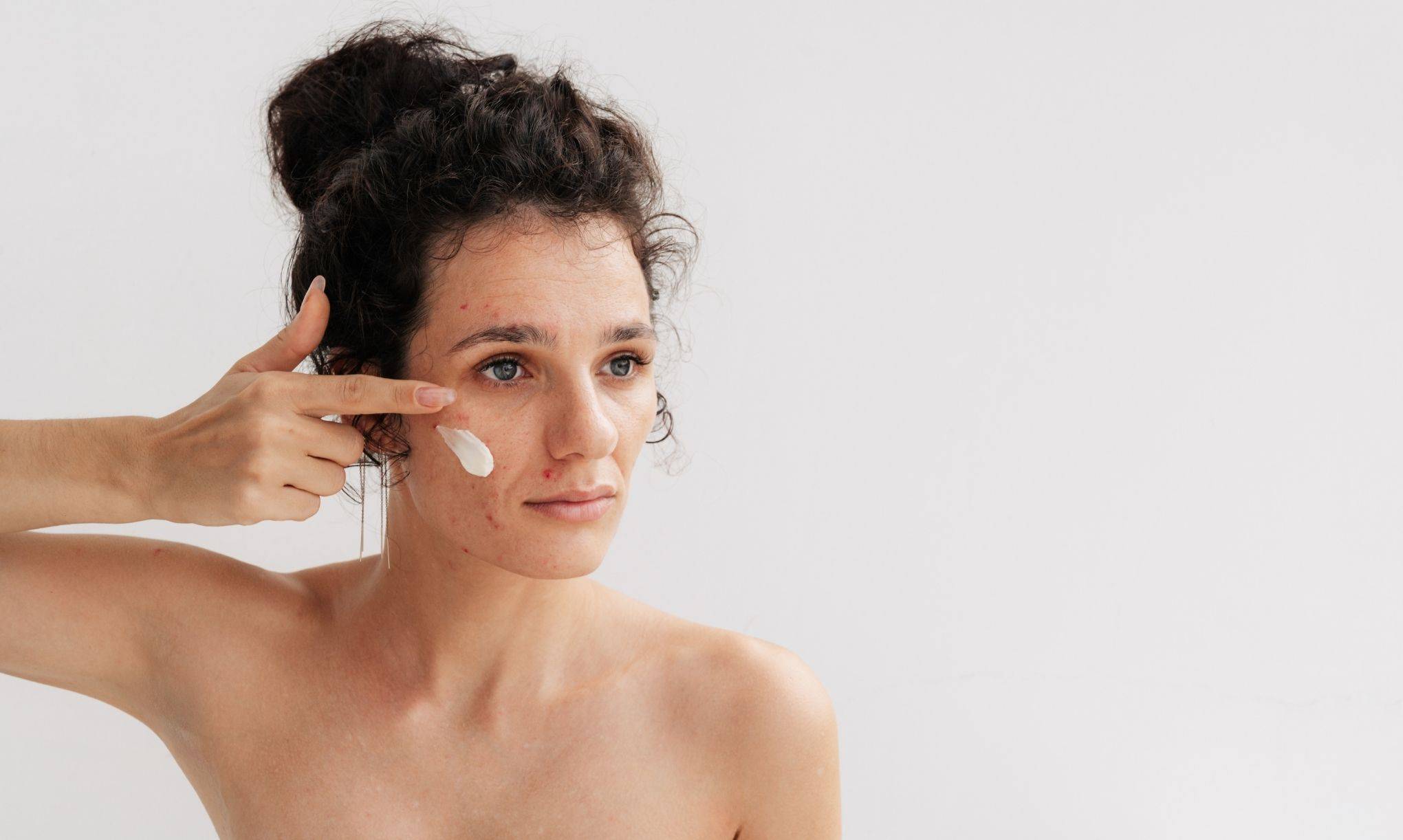
Understanding the type of acne scar is important because different scars respond better to different treatments.
1. Ice Pick Scars
These are narrow, deep scars that extend into the skin, creating tiny holes. They are among the most challenging scars to treat because they penetrate deeply into the dermis.
2. Boxcar Scars
Boxcar scars have well-defined edges and appear as round or oval depressions. They are commonly found on the cheeks and temples.
3. Rolling Scars
Rolling scars create uneven, wave-like skin because fibrous bands pull the skin downward beneath the surface.
4. Hypertrophic and Keloid Scars
Instead of tissue loss, these scars develop when the body produces excess collagen during healing. They appear raised and are more common on the chest, shoulders, back, and jawline.
Why Some People Scar More Easily Than Others
Two people may experience similar acne breakouts yet heal very differently. Several factors influence scar formation, including:
· Genetics
· Skin type
· Severity of inflammation
· Speed of treatment
· Individual collagen production
· Frequency of picking or squeezing pimples
People with prolonged inflammatory acne generally have a higher risk of permanent scars than those with occasional mild breakouts.
Can Acne Scars Go Away Naturally?
Many people confuse acne scars with post-inflammatory marks.
Dark or red marks left after acne – known as post-inflammatory hyperpigmentation (PIH) or post-inflammatory erythema (PIE) – often fade gradually over several months.
True acne scars, however, involve structural changes beneath the skin. Because tissue has been lost or overproduced, these scars usually do not disappear completely without professional treatment.
Although skincare products can improve skin texture and pigmentation, they typically have limited effects on deeper scars.
Modern Treatments That May Improve Acne Scars
Today's aesthetic treatments focus on stimulating collagen production, resurfacing damaged skin, and improving overall skin texture. The most suitable option depends on scar type, skin condition, and treatment goals.
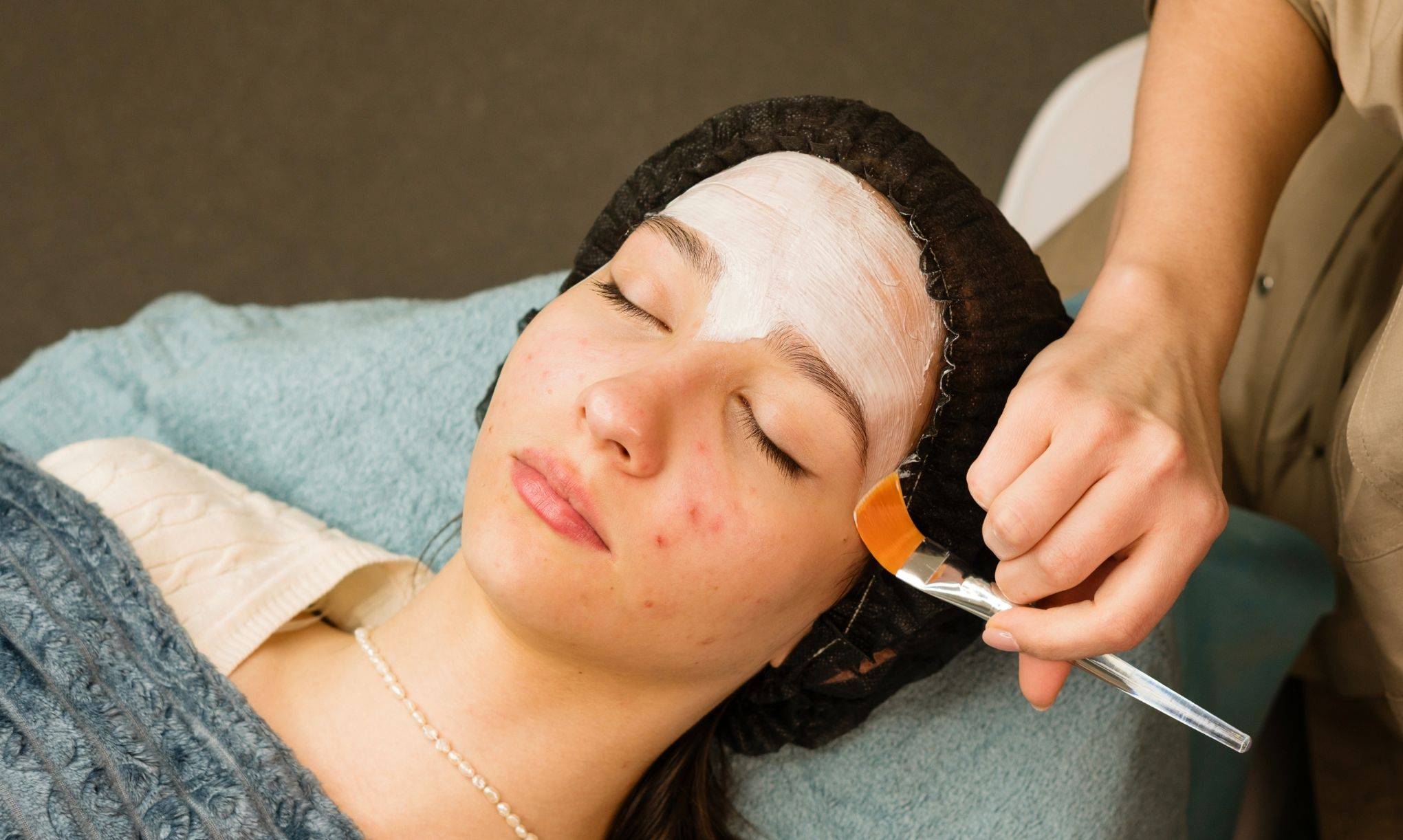
RF Microneedling combines tiny insulated needles with radiofrequency energy delivered into the deeper layers of the skin. This controlled stimulation encourages collagen remodeling while minimizing damage to the skin surface.
It may help improve:
· Rolling scars
· Boxcar scars
· Enlarged pores
· Uneven skin texture
Because collagen continues rebuilding over several months, improvements often develop gradually after multiple sessions.
Fractional CO₂ Laser creates microscopic treatment zones within the skin while leaving surrounding tissue intact for faster healing.
This treatment is commonly used to improve:
· Deep acne scars
· Uneven skin texture
· Fine lines
· Sun damage
By triggering new collagen production, the skin gradually becomes smoother and more refined during the healing process.
AGNES uses insulated radiofrequency technology to target the sebaceous glands that contribute to persistent acne.
While AGNES is primarily designed to treat active acne, reducing ongoing inflammation may help lower the risk of future acne scarring. For individuals who continue to experience recurring breakouts, controlling acne is often the first step before scar-focused treatments begin.
Exosome therapy is an emerging regenerative treatment that delivers signaling molecules derived from stem cell research to support skin repair.
Exosomes are often combined with procedures such as microneedling or laser treatments to enhance healing and encourage collagen production.
Potential benefits include:
· Improved skin recovery
· Better collagen remodeling
· Enhanced skin quality
· Smoother overall texture
Although promising, exosome therapy continues to be studied, and treatment outcomes may vary among individuals.
Chemical peels remove damaged surface skin using carefully selected acids.
Depending on the peel depth, they may help:
· Improve superficial acne scars
· Fade post-inflammatory pigmentation
· Brighten dull skin
· Smooth rough texture
Multiple treatments are often recommended for gradual improvement.
Choosing the Right Acne Scar Treatment
No single treatment works for every scar.
A qualified doctor will typically evaluate:
Many patients achieve better outcomes through combination therapy. For example, RF Microneedling may be combined with exosome therapy, while fractional laser resurfacing may be followed by regenerative treatments to support healing.
If you are exploring acne scar treatments, platforms like Trambellir allow you to compare aesthetic clinics and discover treatment options available in destinations such as South Korea, Japan, Thailand, and Turkey.
Can Acne Scars Be Prevented?
Although not every scar can be prevented, the risk can often be reduced through early intervention.
Helpful habits include:
· Treat acne promptly.
· Avoid picking or squeezing pimples.
· Follow an appropriate skincare routine.
· Wear sunscreen daily to reduce pigmentation.
· Seek professional advice for persistent or severe acne.
Managing active acne before significant inflammation develops remains one of the most effective ways to minimize future scarring.
Smoother Skin Starts With Understanding Your Scars

Acne scars form because the skin's natural healing process changes the way collagen is produced after inflammation. While some discolouration fades naturally, true acne scars often require professional treatment to improve their appearance.
Fortunately, advances in aesthetic medicine have made it possible to address many different scar types using collagen-stimulating and skin-resurfacing technologies. Understanding your scar type and seeking professional assessment can help you choose the most suitable path toward smoother, healthier-looking skin.
FAQs
1. Why do some pimples leave scars while others do not?
Deep or inflamed acne is more likely to damage collagen beneath the skin, increasing the risk of permanent scarring.
2. Can acne scars disappear on their own?
True acne scars usually do not disappear completely without treatment, although dark or red post-acne marks often fade over time.
3. Which treatment is best for acne scars?
The most suitable treatment depends on the type of acne scar, skin condition, and individual goals. A professional assessment is recommended.
4. How many treatment sessions are usually needed?
Many acne scar treatments require multiple sessions, often spaced several weeks apart, to achieve gradual collagen remodeling and visible improvement.
5. Is it possible to prevent acne scars?
Early acne treatment, avoiding picking or squeezing pimples, and maintaining good skincare habits can significantly reduce the risk of permanent acne scarring.


